
Mary Sumner
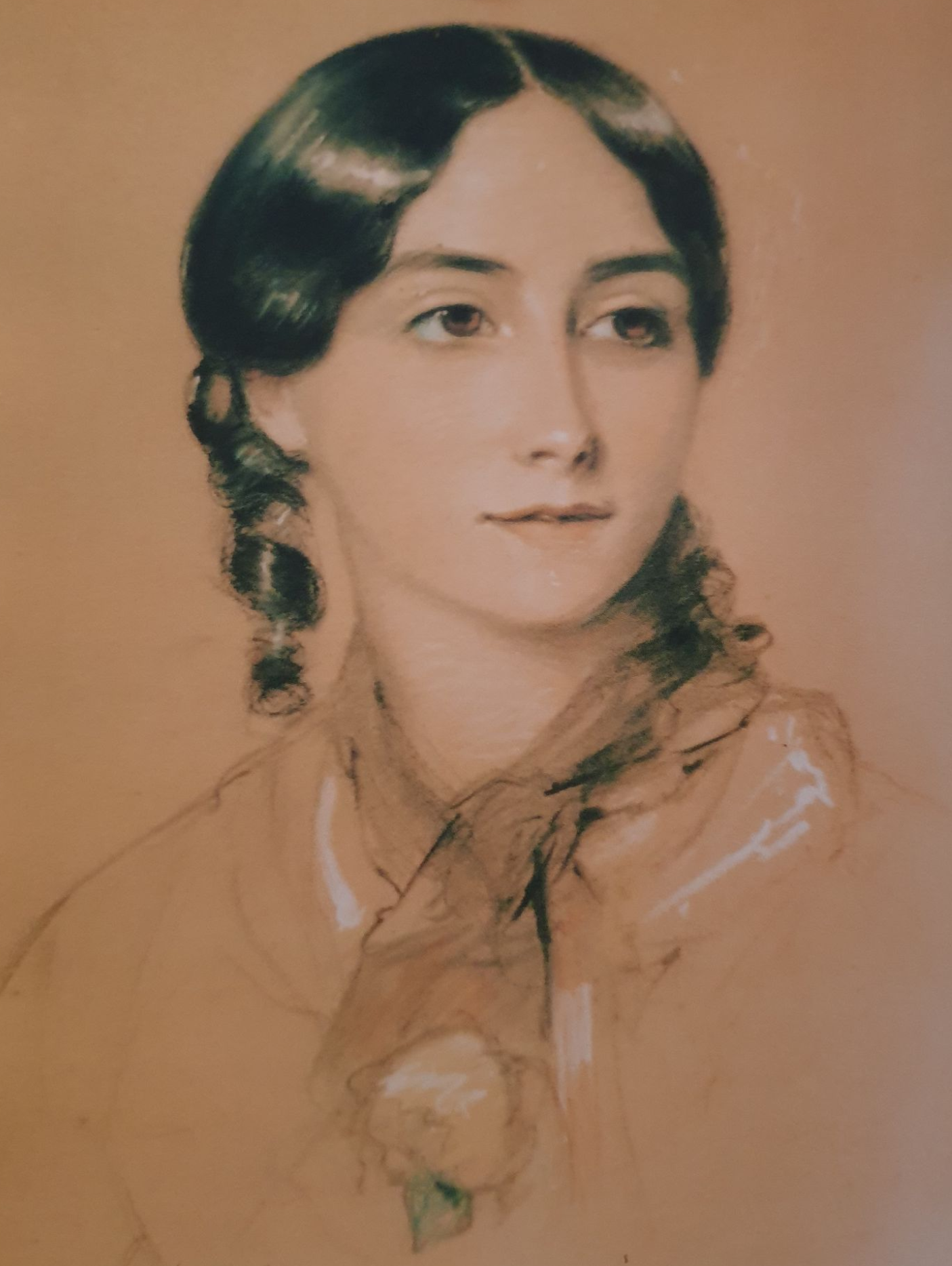
Mary Sumner (1828–1921) was an English social reformer and Anglican lay leader who founded the Mothers’ Union, one of the world’s earliest and most influential women-led Christian movements. Her work emphasized the moral and spiritual foundation of family life and the importance of supporting mothers across social classes.
Key facts
Born: December 31, 1828, Swinton, near Manchester, England
Died: August 11, 1921, Winchester, England
Founded: Mothers’ Union (1876)
Spouse: Rev. George Sumner, Rector of Old Alresford
Commemorated: Mary Sumner Day, August 9 (Anglican calendar)
Early life and education
Mary Elizabeth Heywood grew up in a devout and educated family. Her father, Thomas Heywood, was a banker and historian, and her mother hosted “mothers’ meetings,” which likely inspired Mary’s later work. Educated at home and fluent in several languages, she met George Sumner while studying in Rome. They married in 1848 and settled in Old Alresford, Hampshire, where George became rector .
Founding the Mothers’ Union
In 1876, after her daughter’s experience of new motherhood, Sumner organized a meeting for local mothers of all social classes to share support and strengthen Christian family life—an uncommon act for its time. Her initiative expanded rapidly, and after her speech to the Church Congress, branches spread across Britain and overseas. By 1892, the Union had 60,000 members; Queen Victoria granted royal patronage in 1897 .
Vision and influence
Sumner’s message—that motherhood was a vocation of moral and societal importance—encouraged women to take leadership within their families and communities. The Mothers’ Union went on to campaign for women’s rights, child welfare, and family justice worldwide. Her personal prayer, “All this day, O Lord, let me touch as many lives as possible for Thee,” remains central to the Union’s spiritual life .
Legacy
Mary Sumner’s influence endures through a movement now active in over 80 countries with millions of members. Mary Sumner House, opened in 1925, serves as its international headquarters, symbolizing her lasting vision of faith-based community action.