
Old Malden Nature Hub: Connecting Community and Biodiversity
Promoting local wildlife awareness and conservation along the Hogsmill River
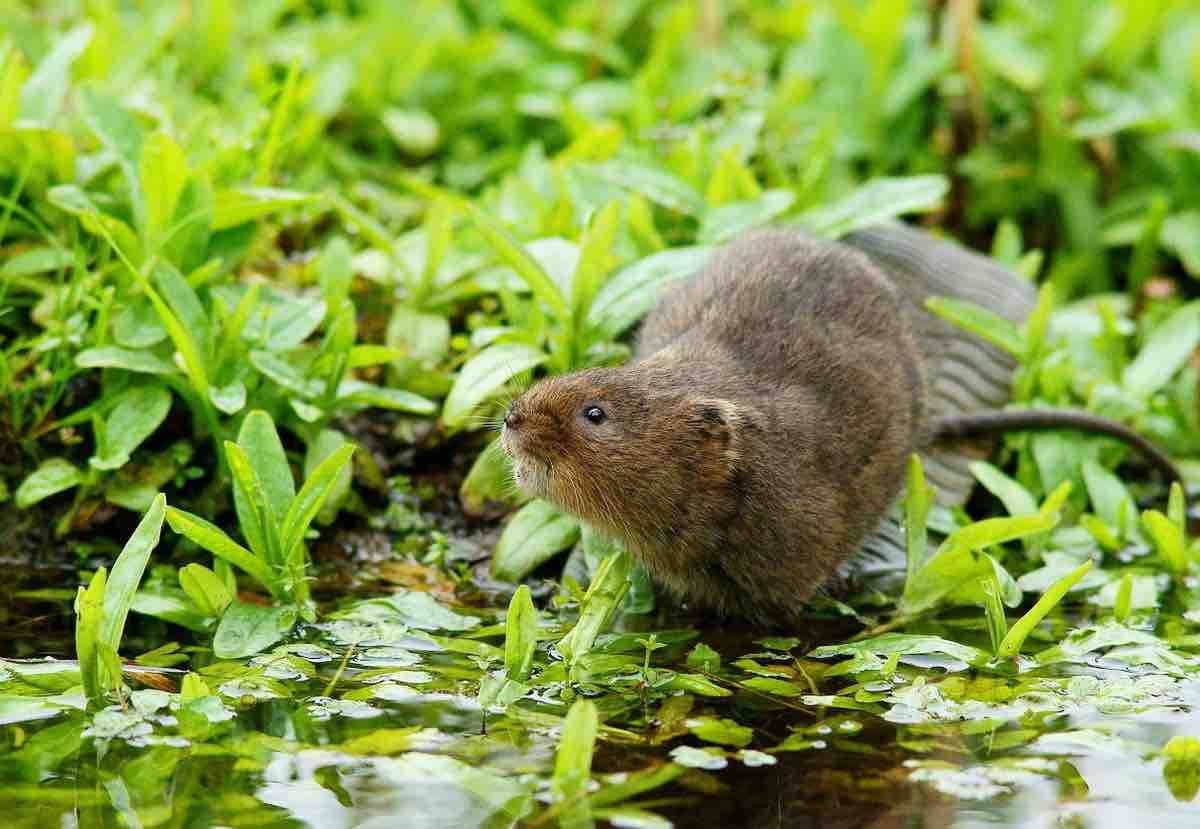
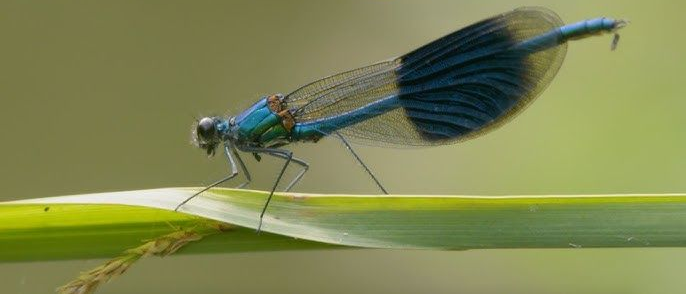
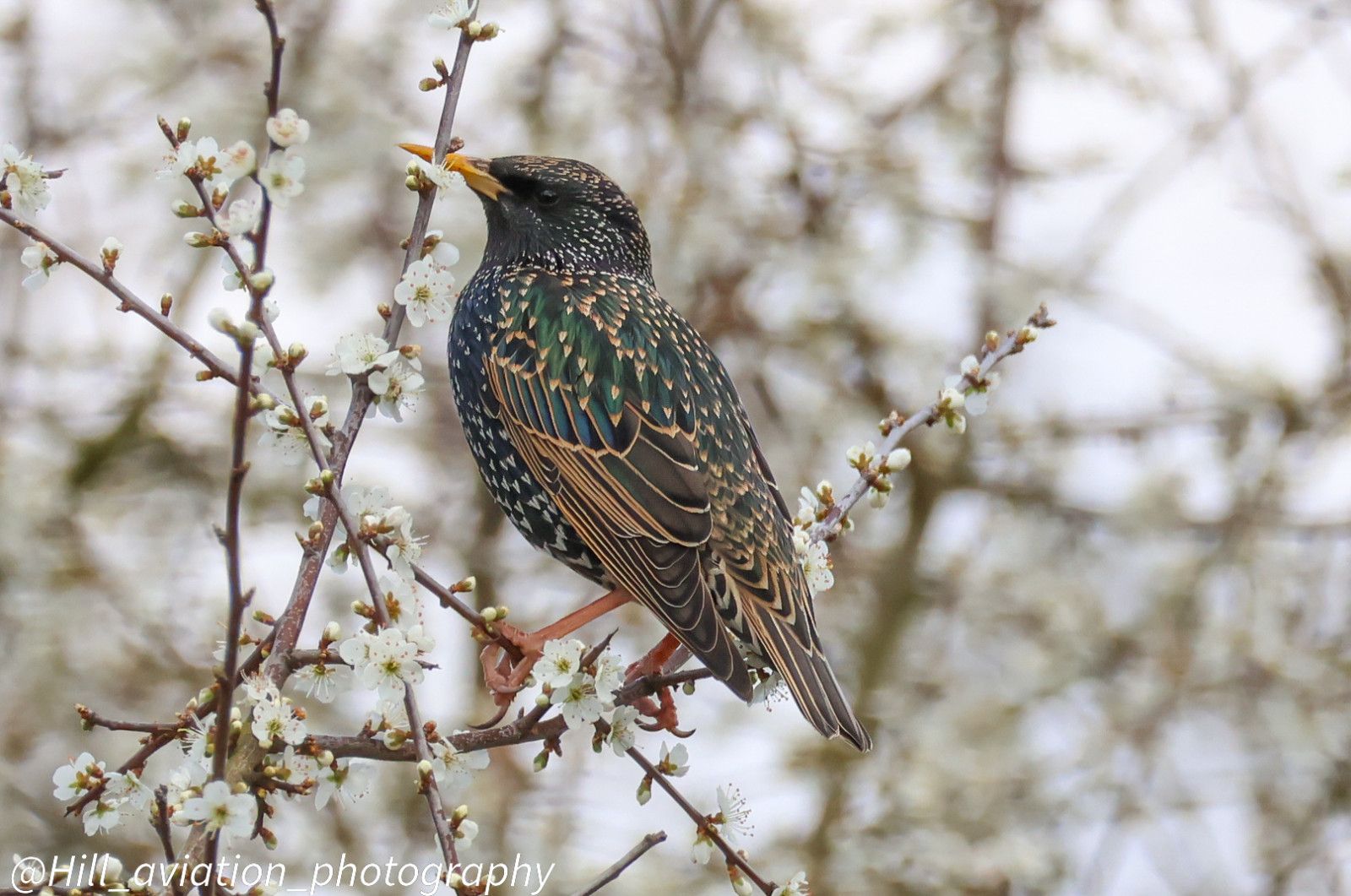
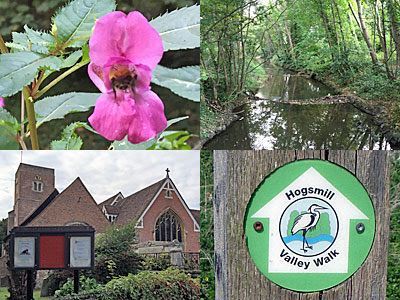
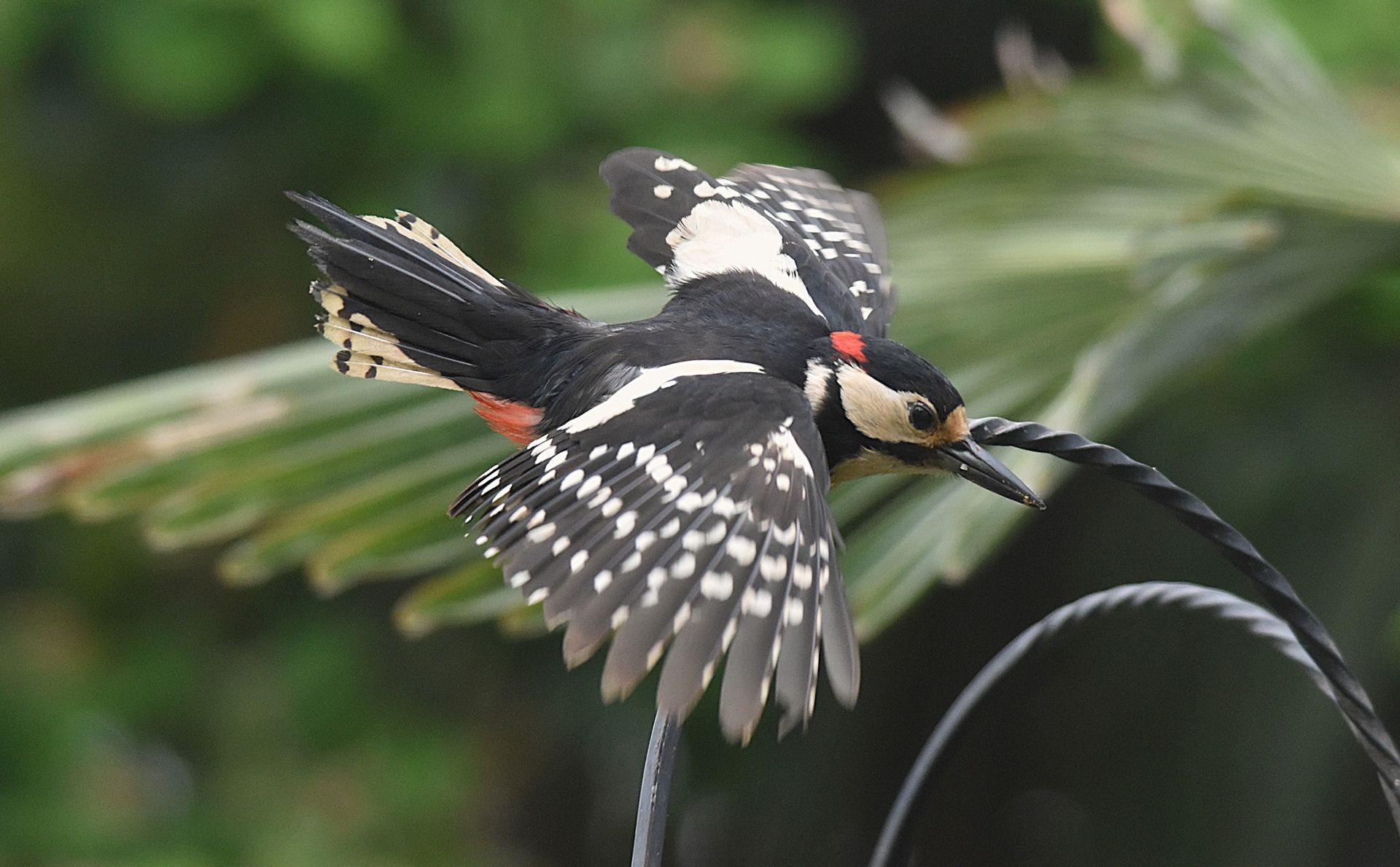
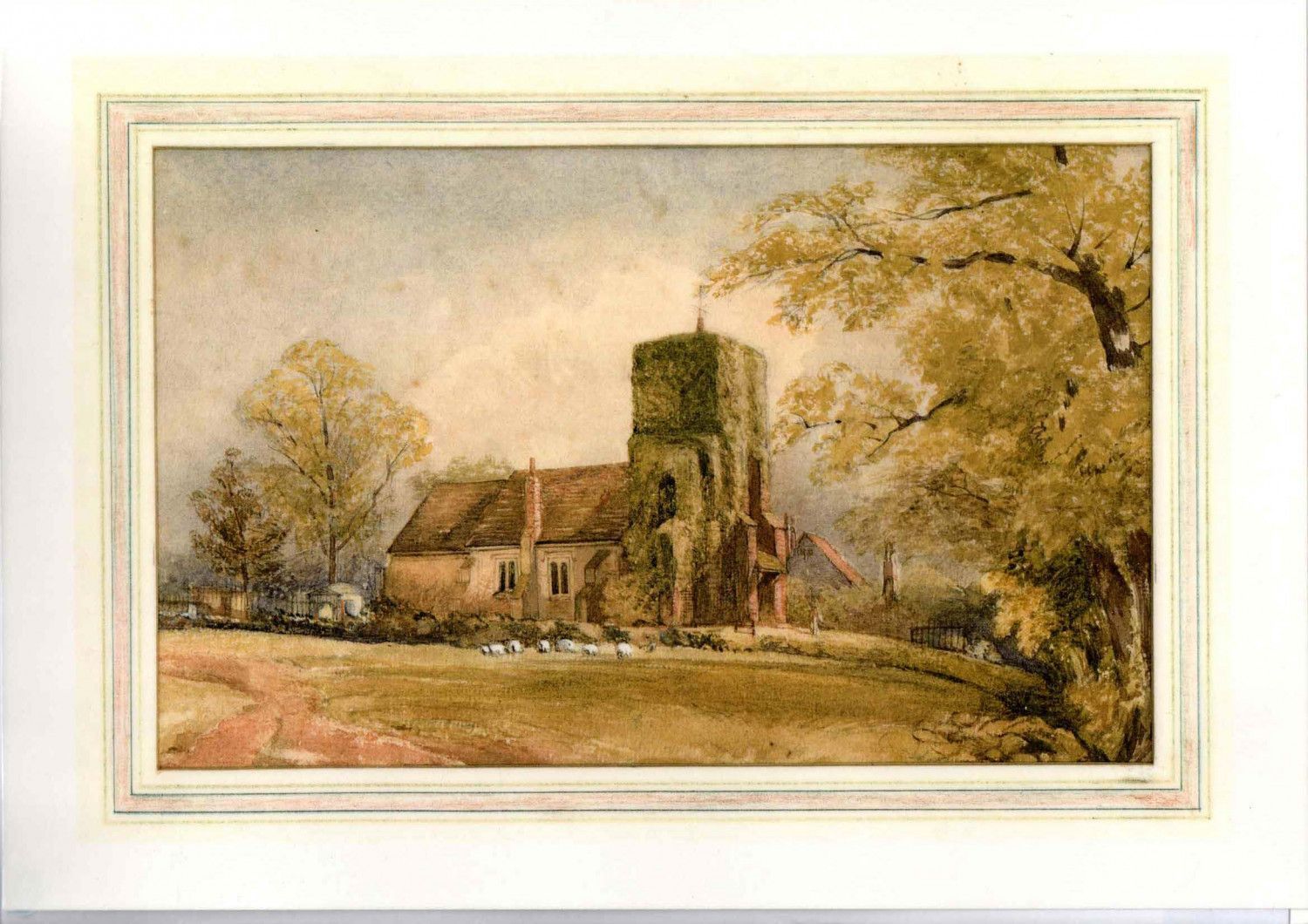
The Old Malden Nature Hub is a newly formed group. Our aim is to share St John’s ancient site and buildings with local biodiversity organisations, to enable them to engage and educate the local community about the marvels of nature right on their doorstep.
We hope to develop partnerships with, amongst others, Kingston’s Biodiversity Team, South East Rivers Trust, London Hogwatch and the Biological Recording Company.
Why St John’s?
St. John’s is nestled in the heart of the Hogsmill Valley Wildlife Corridor, adjacent to the Hogsmill River. This location boasts diverse habitats that are home to a wide range of species, ranging from roe deer and hedgehogs to various birds, invertebrates and wildflowers. The facilities at St John’s are ideally positioned to serve as a central hub for fostering an understanding and appreciation of the surrounding natural heritage.
Wildlife walks
St John’s is already being used as a starting point for educational wildlife walks, leading residents into the adjacent green spaces and nature reserves.
These guided excursions will offer firsthand experiences of the rich biodiversity in the area, inspiring a deeper connection with and stewardship of our local environment.
Connecting Community with Local Nature
Our Objectives
Join Local Conservation Efforts
Support Biodiversity in Old Malden
Protecting Nature Together
Participate in events and projects that enhance wildlife habitats and promote biodiversity along the Hogsmill River and St John’s grounds. Your involvement helps preserve this vital natural heritage for future generations.
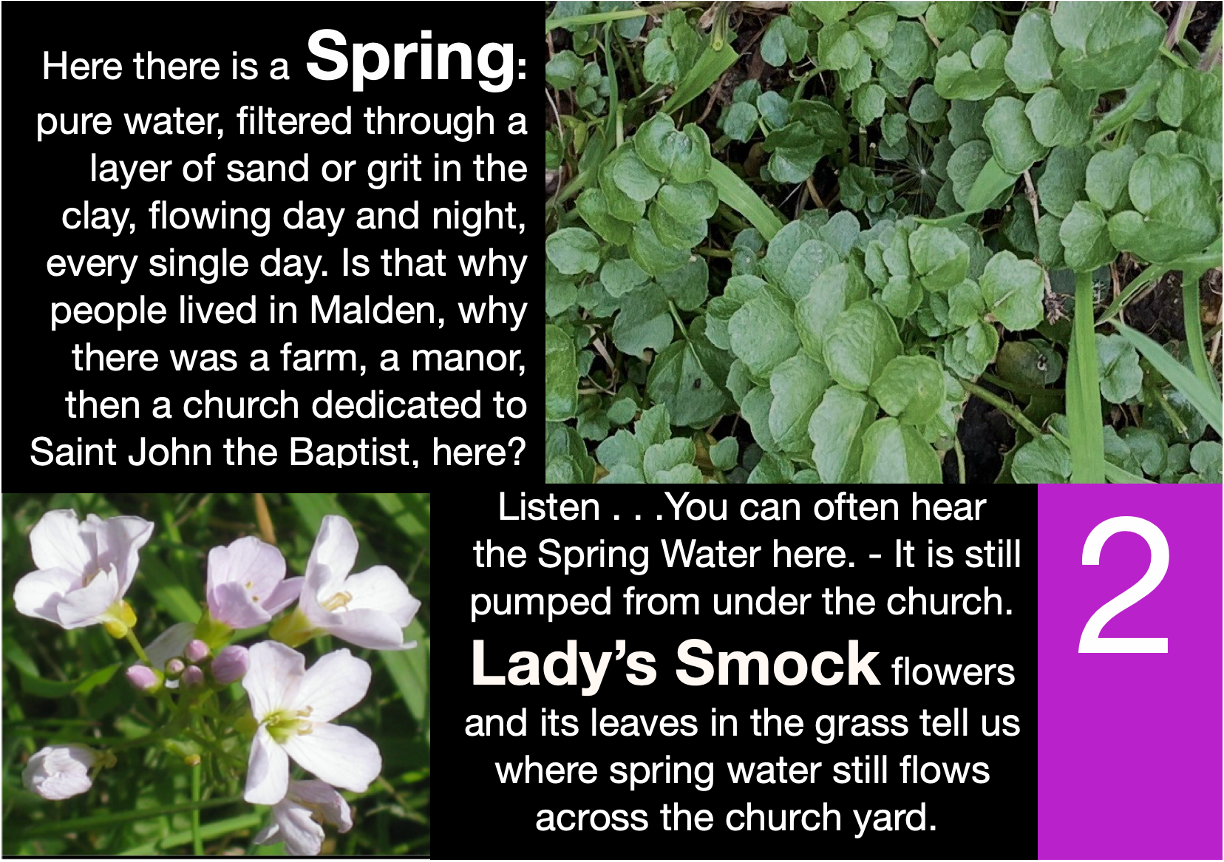
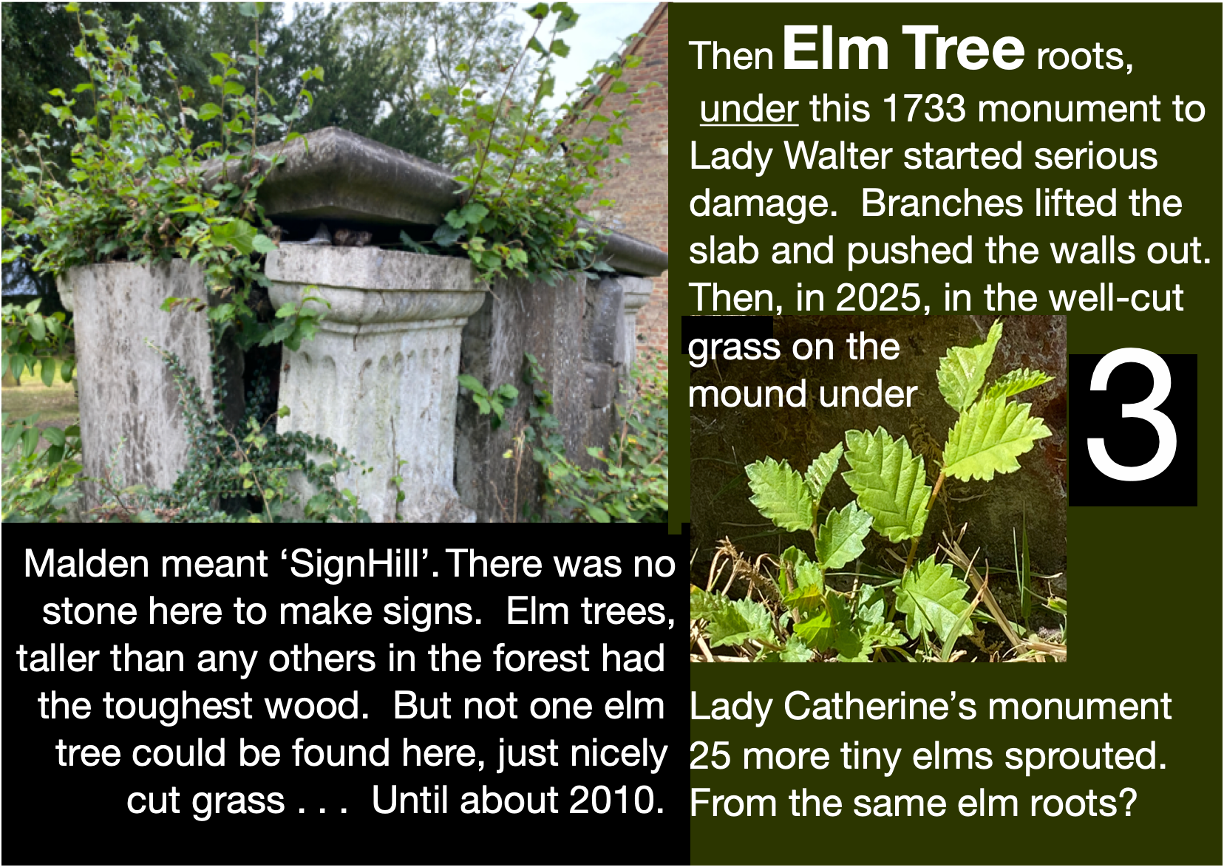
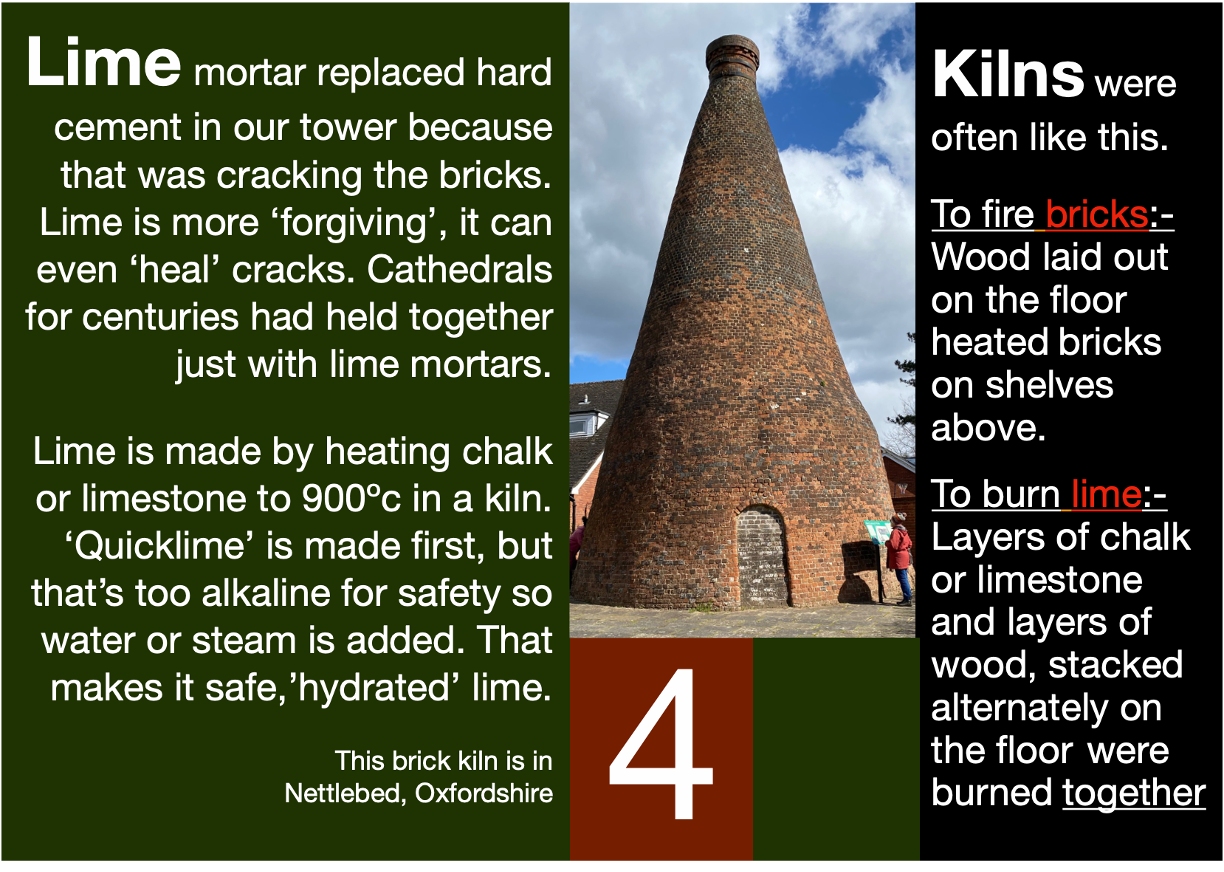
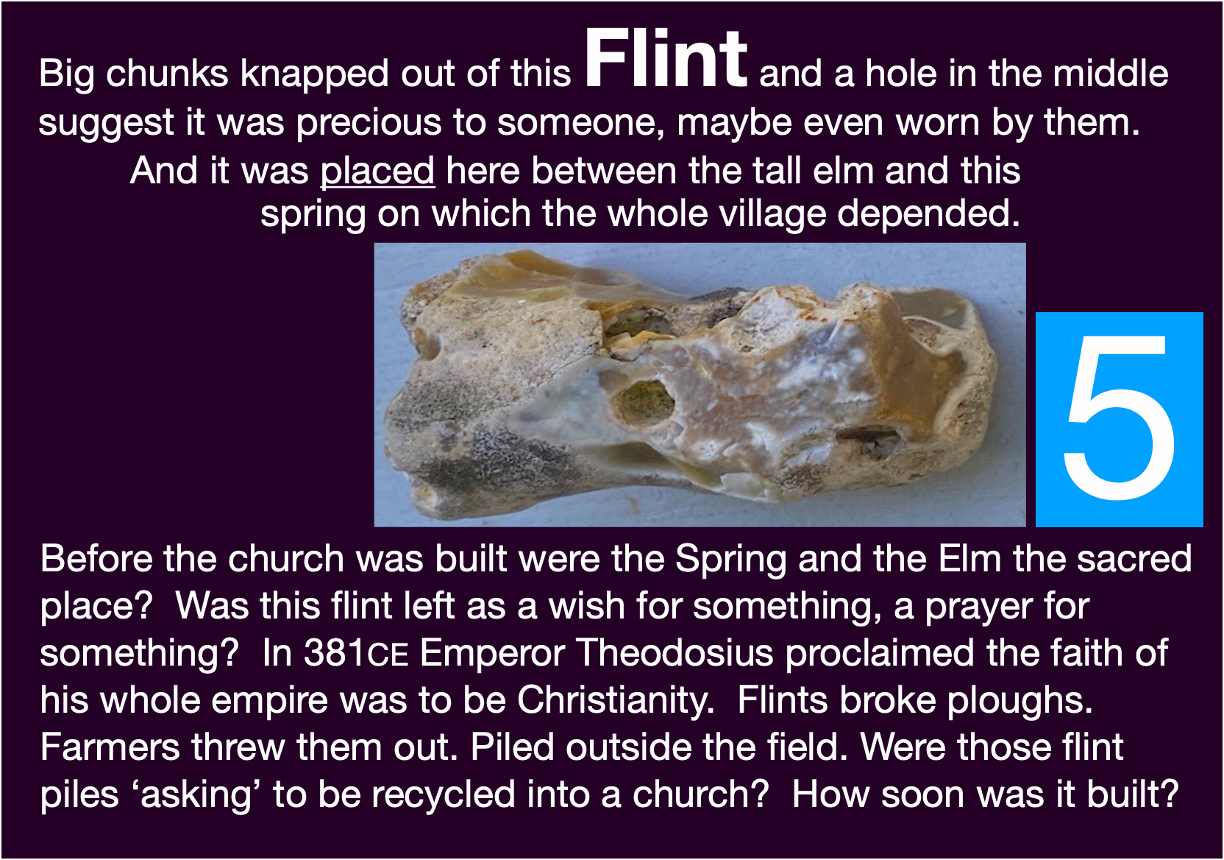
Church Yard nature hub trail
Engagement with local schools
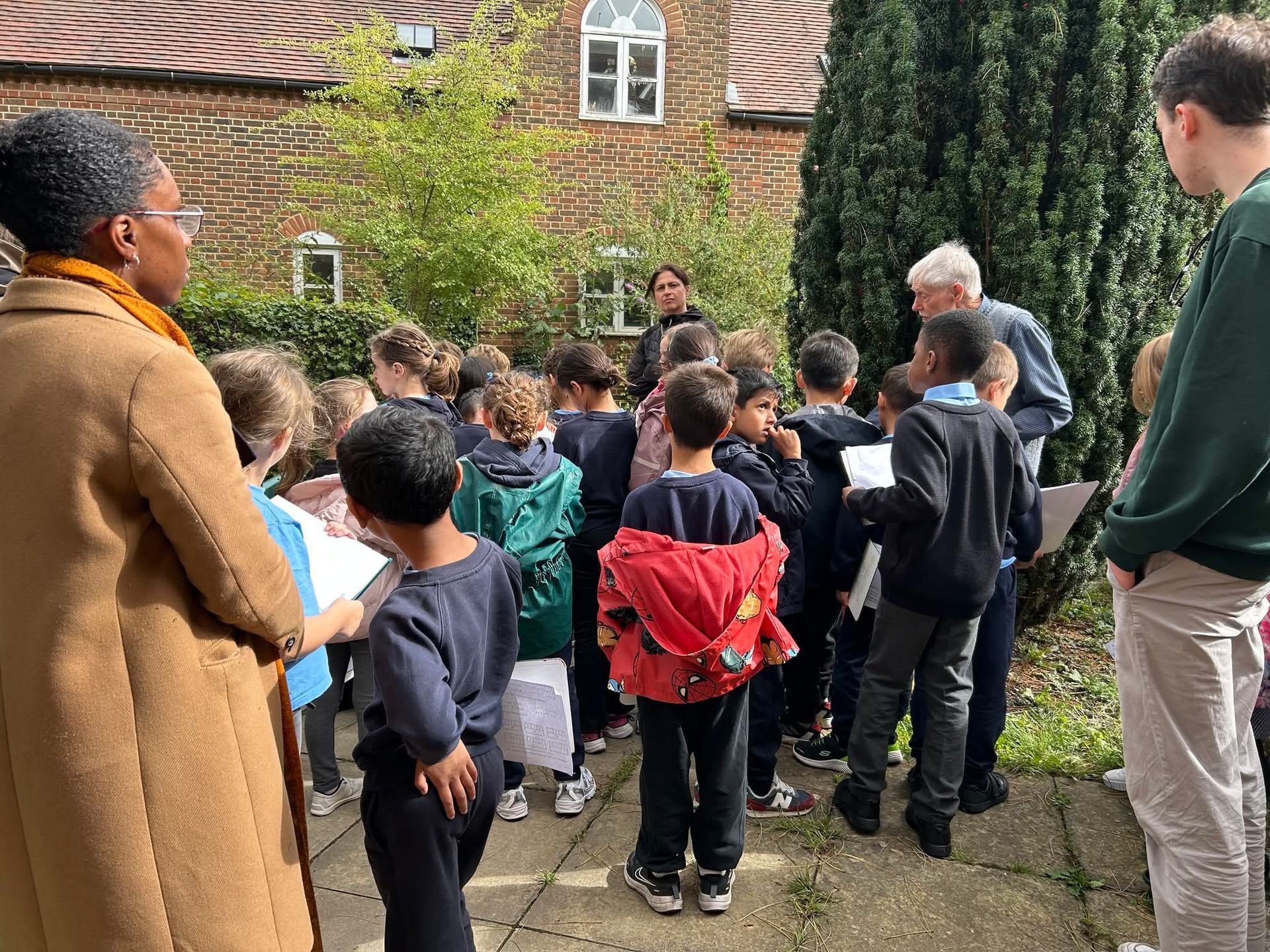
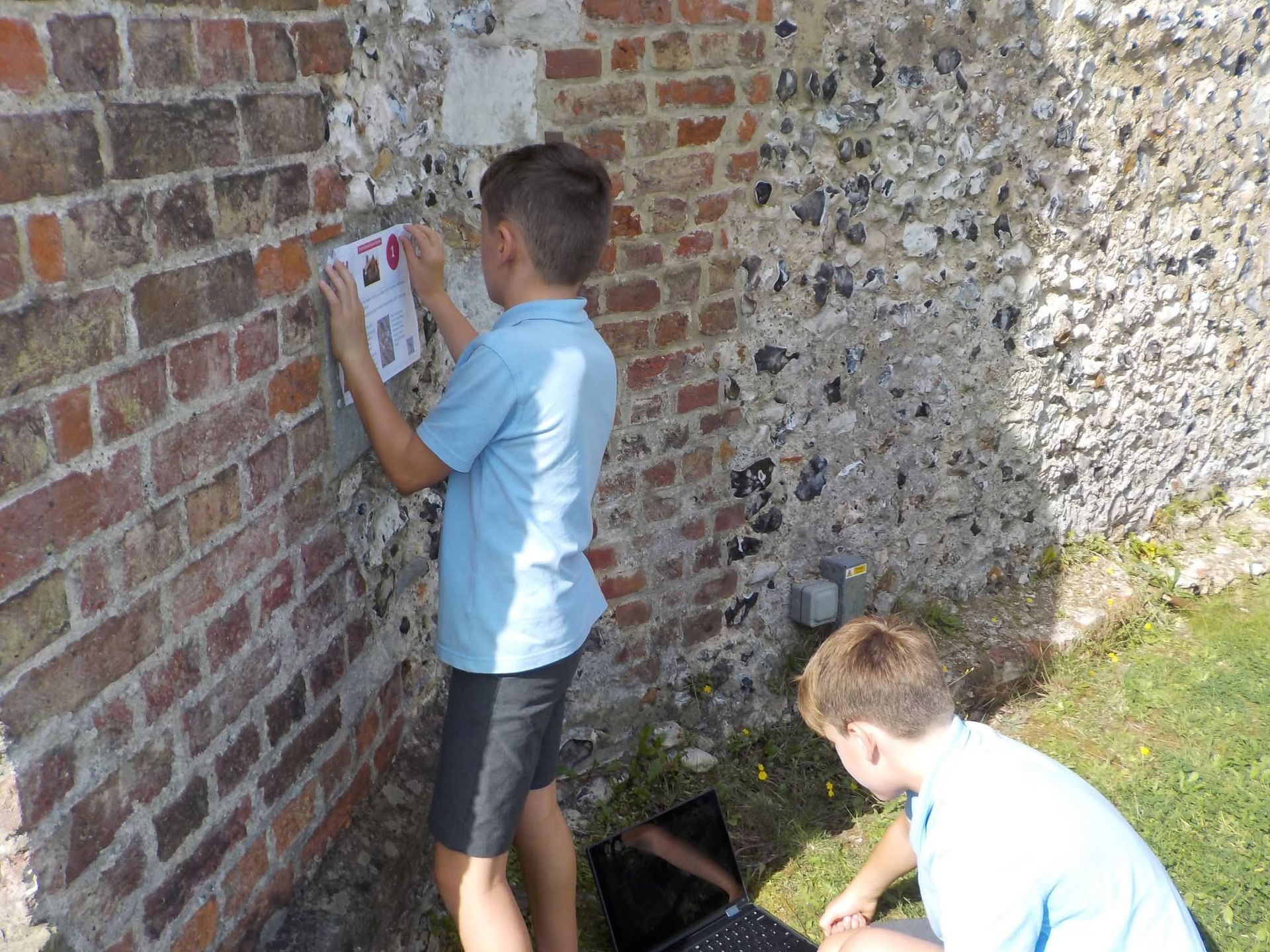
The ‘Hub’ plans to support local schools with the delivery of education projects about the environment. A churchyard nature trail is already being developed in partnership with our local church school, Malden Parochial.

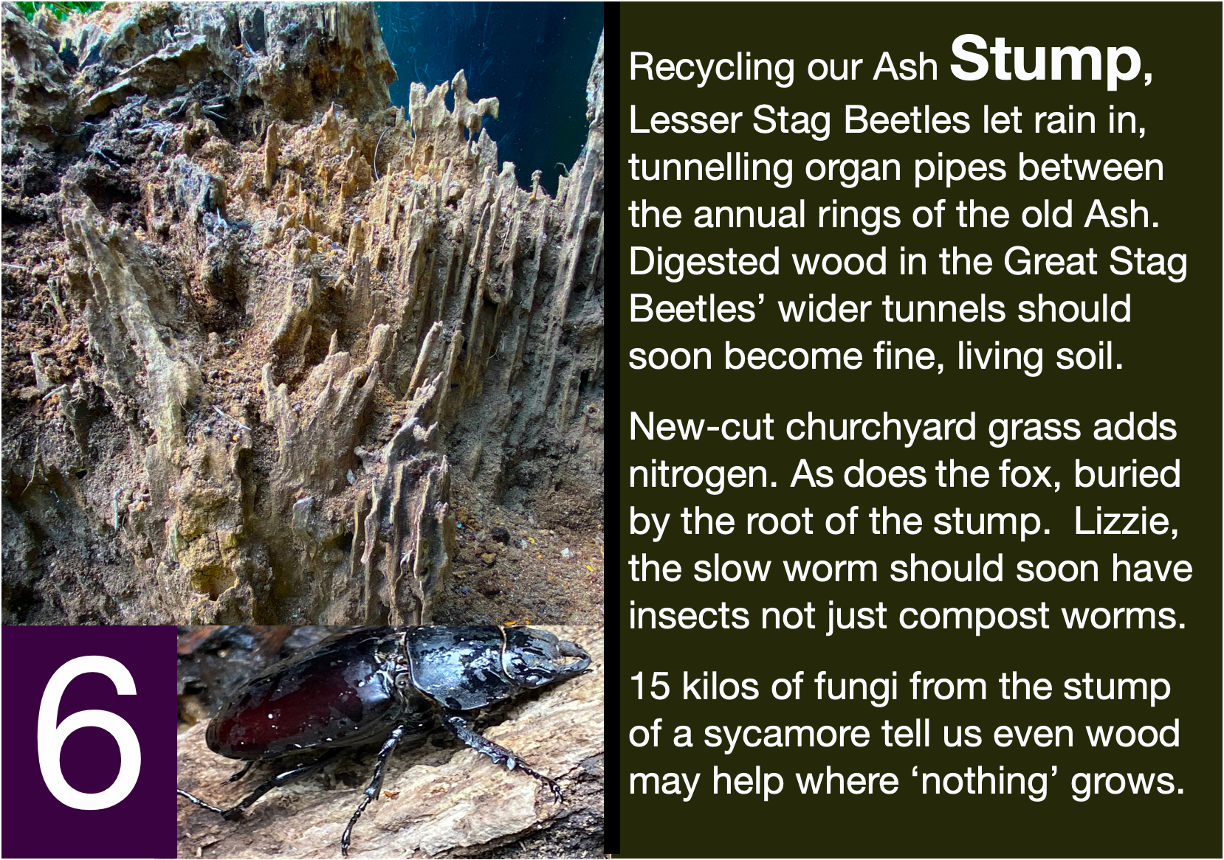
Plough Pond
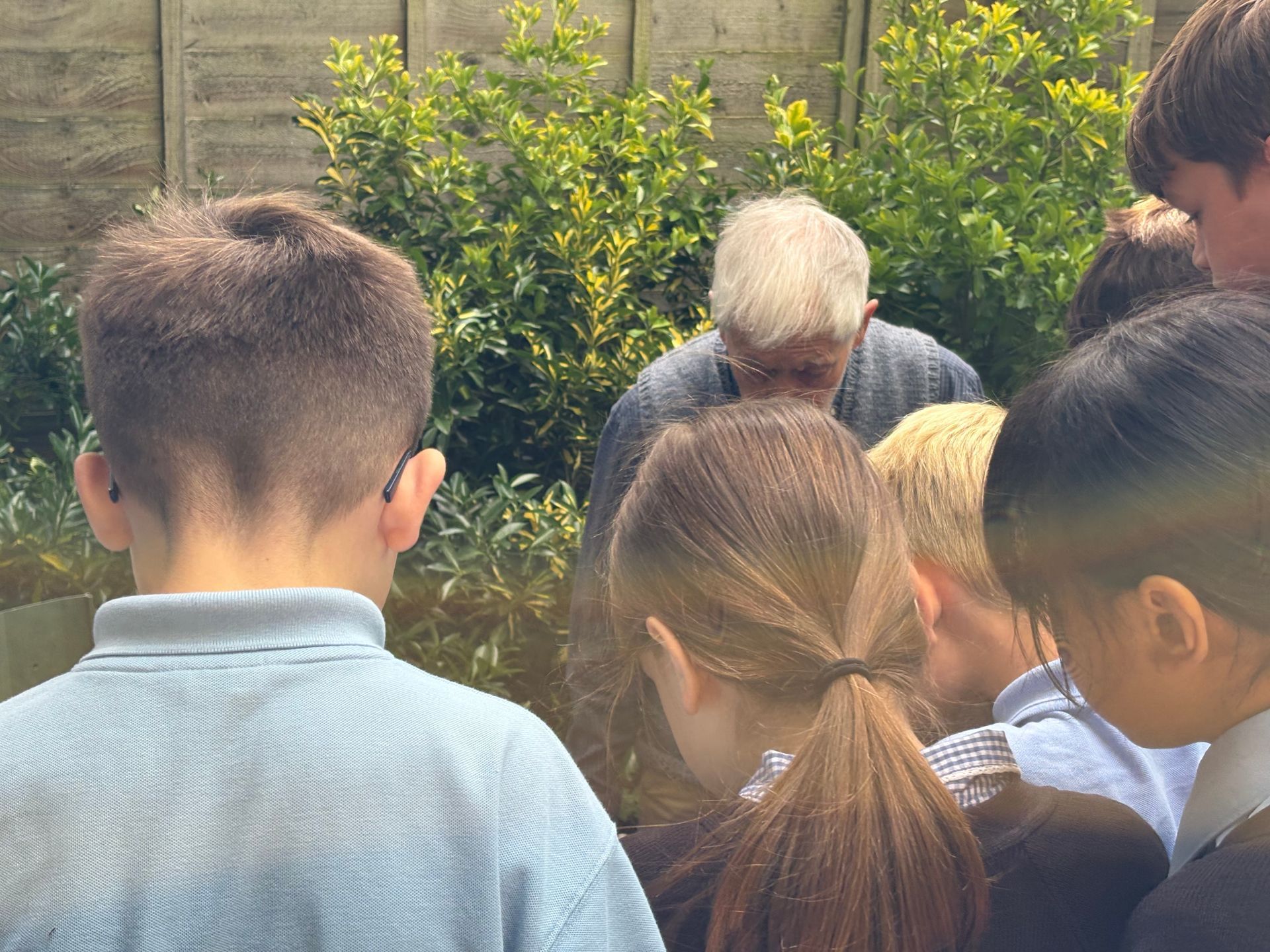
Creating a hibernaculum, a special 'underground' habitat made from natural materials to boost biodiversity and attract more wildlife.
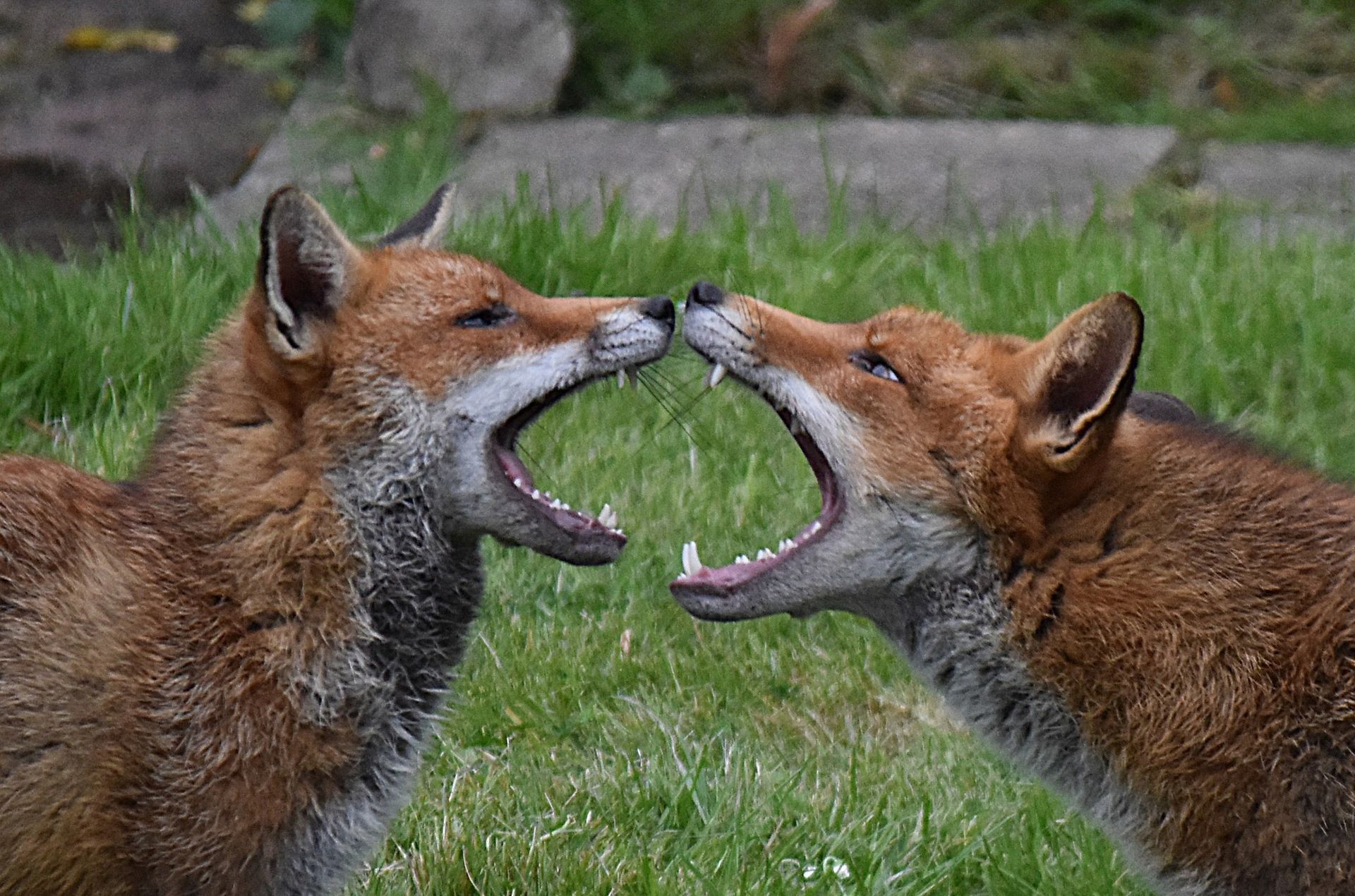
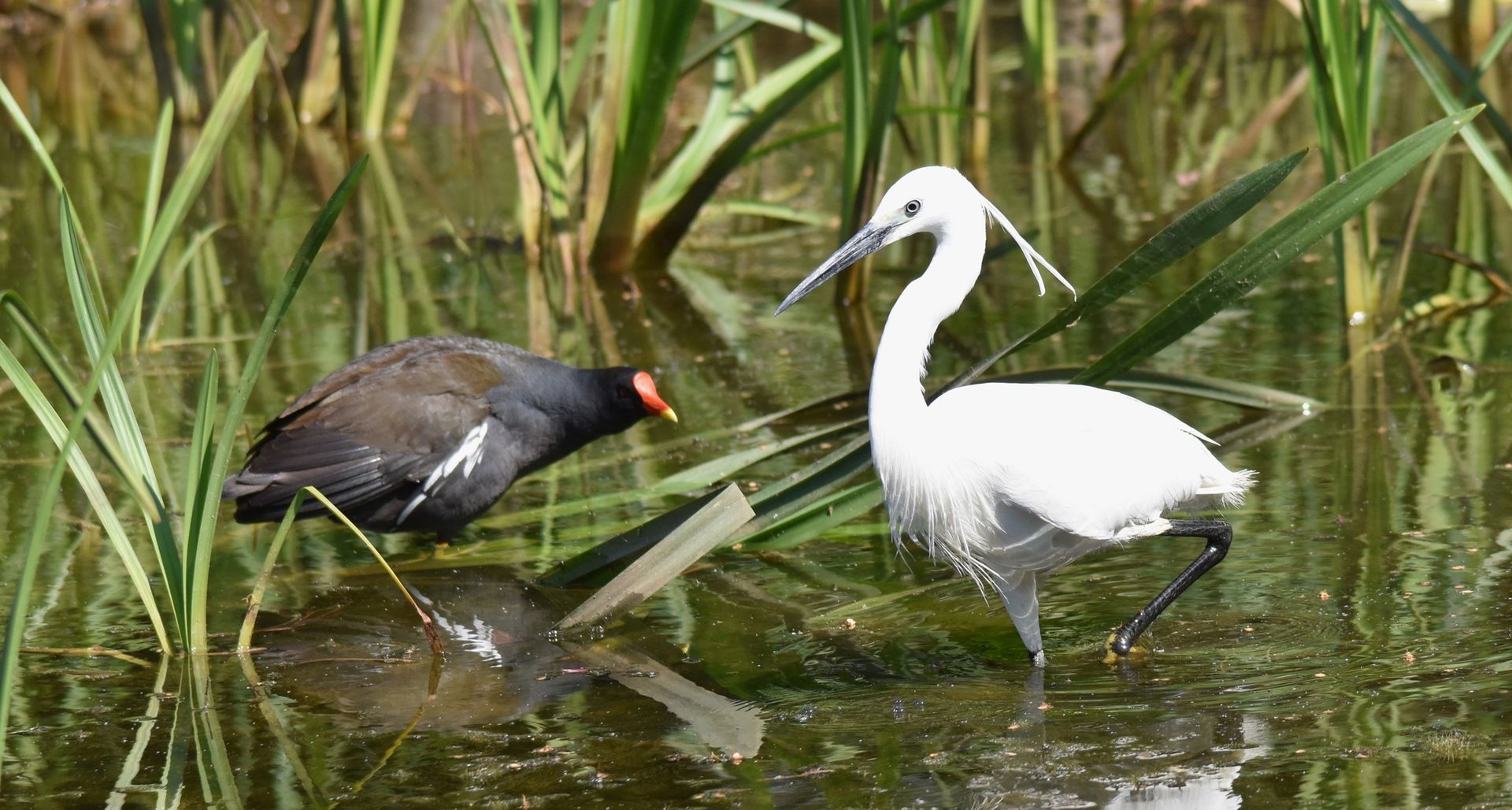
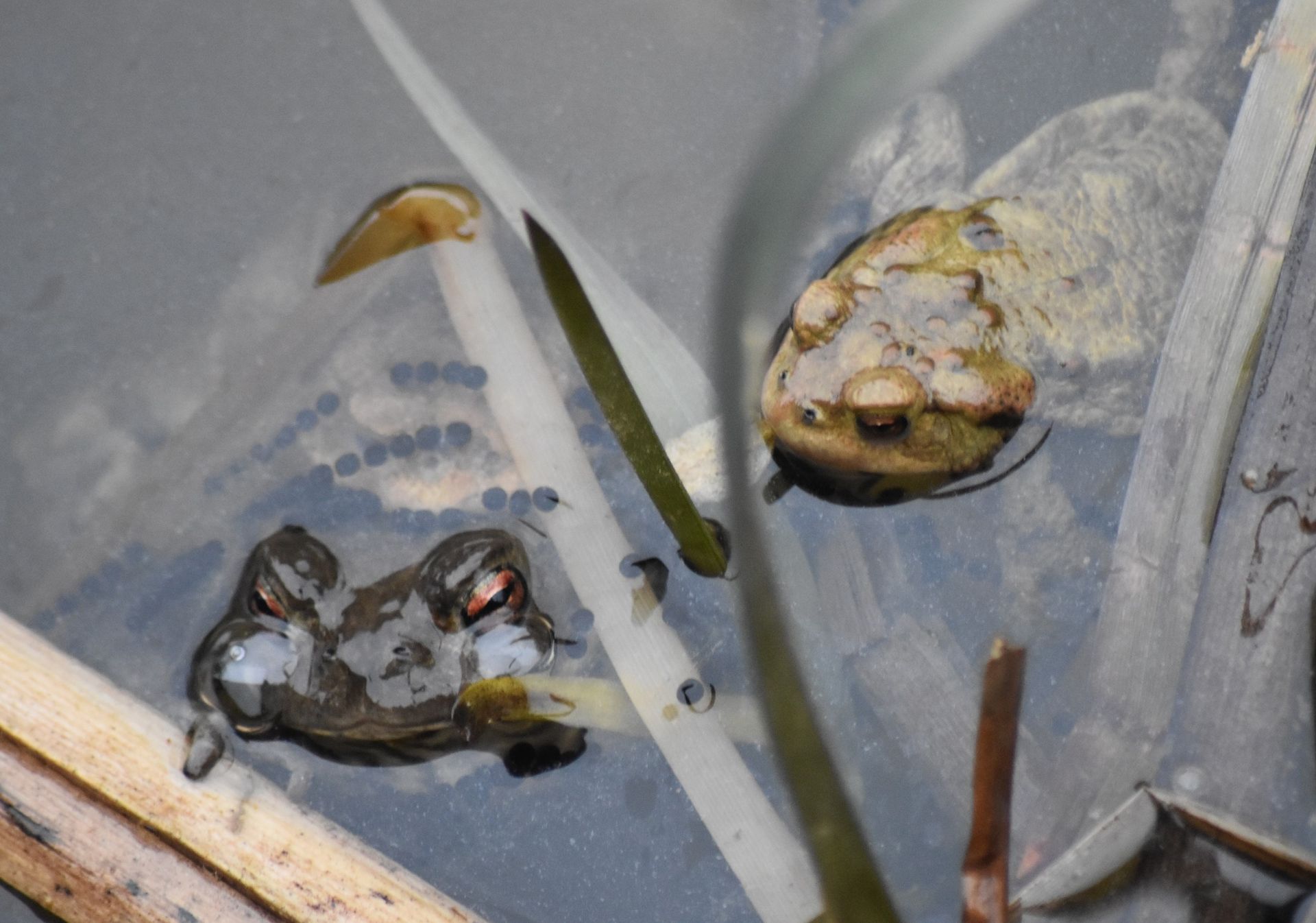
Beautiful wildlife pond images are from local photographer Pauline Humphreys.
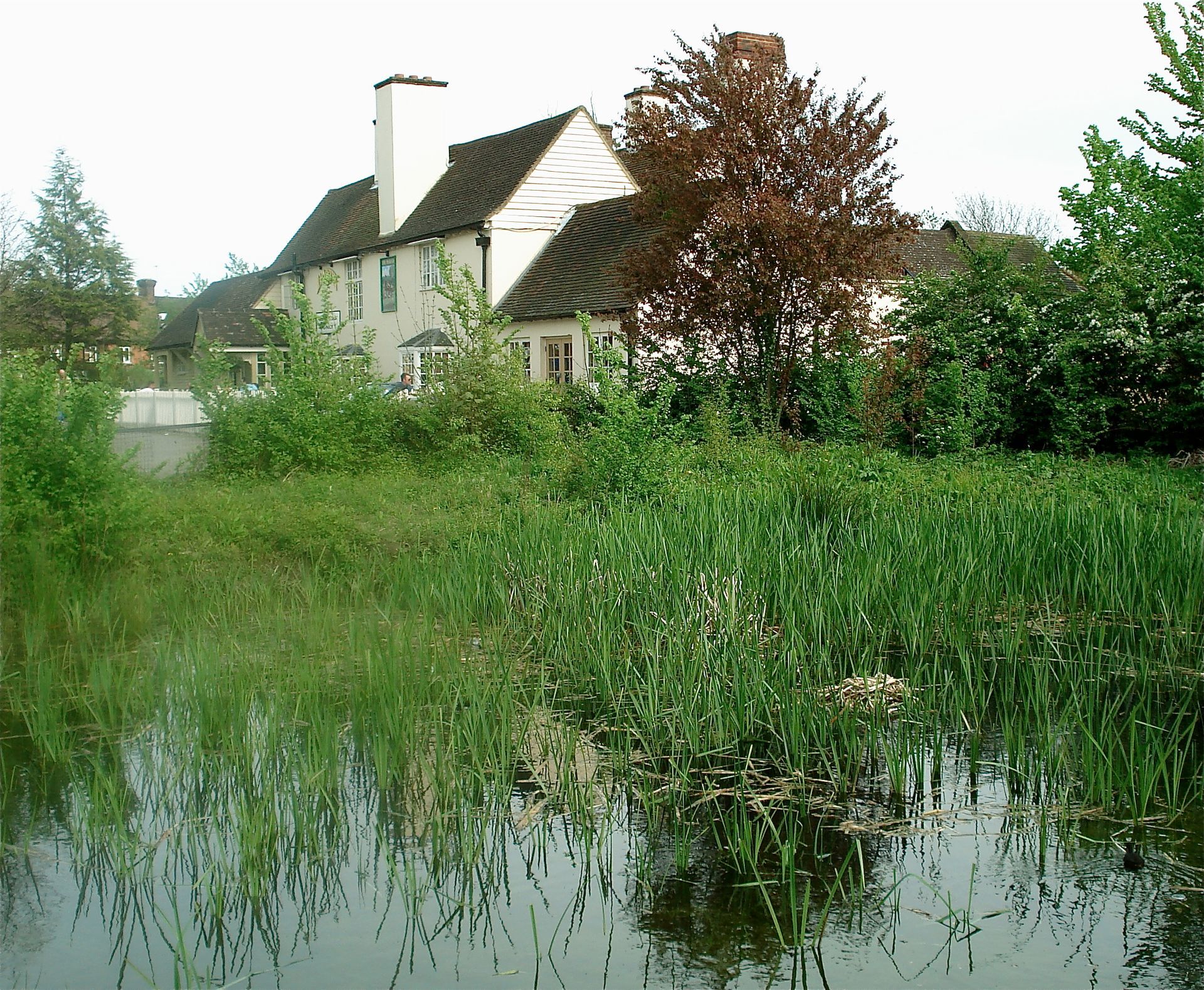
Plough Pond is a notable historic location in the Old Malden area, located in the southwest of London. Its history is entwined with the development of the area and the evolution of local recreational spaces, particularly with regards to how it connects to the Nature Hub in the area today.
The History of Plough Pond
- Early Origins:
The Plough Pond dates back to medieval times and was historically associated with the local farming community. The pond was initially created for agricultural purposes, likely used to water livestock, or for irrigation in the area’s agricultural landscape. It may have also served as a natural water source for nearby settlements. - The Role in the Development of Old Malden:
Old Malden, now a part of the London Borough of Kingston upon Thames, has a long history that dates back to Roman times. Over the centuries, it has evolved from a rural area to a more suburban one. The Plough Pond’s position near the heart of Old Malden has meant it played a part in the development of the local community. As the area shifted from an agricultural economy to a more urban environment, the pond likely became less about function (irrigation) and more about leisure and aesthetic value. - Changes Over Time:
The exact timeline of changes to the pond’s use is unclear, but like many similar sites, it would have undergone alterations during the Victorian era and in the 20th century, as development increased in the area. Local authorities likely transformed it into a more accessible green space for the community, with pathways, benches, and surrounding greenery to enhance the recreational appeal. - Environmental and Social Importance:
By the mid-20th century, the pond had become a focal point for local nature activities. It would have been a key feature in local children’s outdoor play and a space for families to visit, providing not only a tranquil spot but also a place for observing local wildlife. The environmental role of the pond, supporting a variety of wildlife, likely made it an early example of integrating nature into suburban life.
Plough Pond’s Connection with the Nature Hub
The Nature Hub of Old Malden is a more modern initiative aimed at promoting sustainability, environmental education, and increasing community engagement with nature. The Nature Hub in the Old Malden area plays a key role in preserving local natural habitats, engaging residents in outdoor activities, and teaching about local wildlife.
Key Connections Between Plough Pond and the Nature Hub:
Environmental Education:
The Plough Pond has become an integral part of the
Nature Hub’s educational initiatives. Through guided walks, school visits, and community events, the pond serves as a living example of how historical locations can foster environmental awareness. The pond itself is home to various
aquatic species and
wildlife, making it an ideal spot for
local nature education programs.
Biodiversity and Wildlife Preservation:
Over time, the area around Plough Pond has become a small but important hub for biodiversity in Old Malden. The Nature Hub's work focuses on preserving and enhancing the natural habitat, ensuring that areas like the Plough Pond continue to thrive as wildlife havens. Efforts include
wildlife monitoring,
invasive species management, and the encouragement of local flora and fauna, such as birds, insects, and aquatic species.
Green Space Restoration and Community Engagement:
The Nature Hub has supported efforts to
restore and enhance green spaces around Plough Pond. By planting native species of plants around the pond and improving access to the area, the Nature Hub has made the site more accessible for the community. It has also encouraged residents to
get involved in caring for the environment, whether through
clean-up projects,
wildlife gardening, or
volunteering in conservation efforts.
Recreational and Wellness Space:
The Nature Hub also emphasizes the role of nature in
mental health and
well-being. Plough Pond’s serene environment offers a peaceful setting for local residents to relax and connect with nature. It provides an ideal location for
mindfulness activities,
nature walks, and
outdoor yoga classes that promote both physical and mental health.
Community Events:
The Nature Hub often organizes
community events around Plough Pond, ranging from seasonal festivals to educational workshops. These events serve to celebrate the historical and natural importance of Plough Pond while fostering a greater sense of community. Such events include
bird-watching activities,
nature walks, and
pond studies.
Sustainable Practices and Eco-Friendly Projects:
The Nature Hub also encourages
sustainable practices that aim to protect local resources. For instance, the pond and its surrounding areas have been integrated into initiatives to reduce
pollution, manage
stormwater, and create
wildlife corridors. The Nature Hub provides educational resources about
sustainable gardening,
composting, and how residents can actively participate in environmental conservation efforts.
The Hogsmill River – Old Malden’s Hidden Historic Waterway
The Hogsmill River is one of south-west London’s most quietly significant rivers, flowing from Ewell through Old Malden before joining the River Thames at Kingston. Along the Old Malden stretch, the river tells a story of rural life, industry, and today’s growing connection to nature and community wellbeing.
A River Shaped by Early Settlement
The Hogsmill has been part of local life for over a thousand years. Its name is thought to come from Old English, meaning “mill by the muddy place,” reflecting both its agricultural importance and its role in early industry.
In medieval times, the river supported farms across the Hogsmill Valley. Its steady flow made it ideal for irrigation and livestock, helping sustain settlements that would later grow into Old Malden.
Mills and Local Industry
By the medieval and Tudor periods, the Hogsmill powered several watermills along its course. These mills were used for grinding grain and later for small-scale industries such as paper and leather production.
Although fewer mills existed directly in Old Malden compared to nearby Kingston, the area was still part of this working river landscape—where water power supported livelihoods and shaped the local economy.
From Countryside to Suburb
Up until the late 19th and early 20th centuries, Old Malden remained largely rural, with the Hogsmill running through open fields and meadows. As London expanded, the area gradually developed into a suburban neighbourhood.
Despite this change, sections of the river—especially around green spaces and near Plough Pond—retained a natural character, acting as a green corridor through the growing community.
Wildlife and Natural Value
Today, the Hogsmill River is an important local habitat. Even in urban surroundings, it supports:
- Fish such as dace and chub
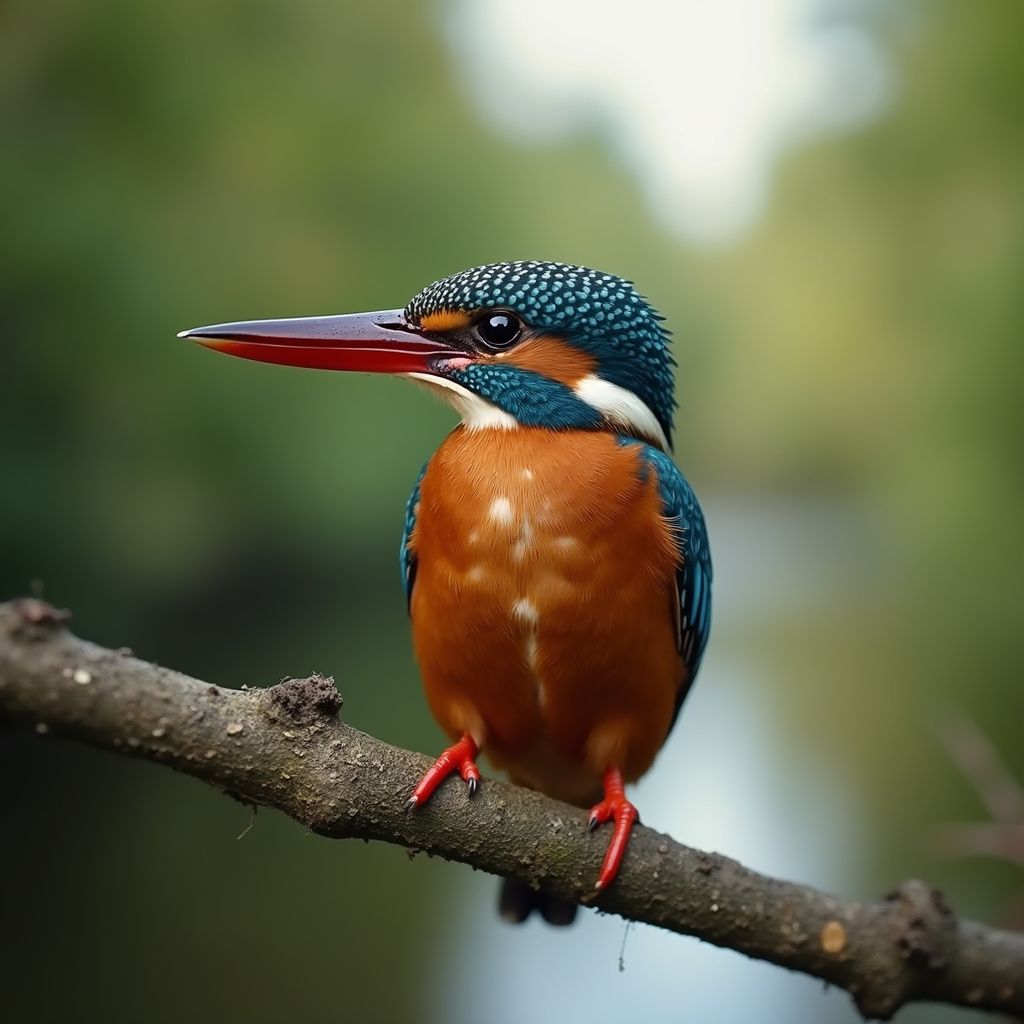
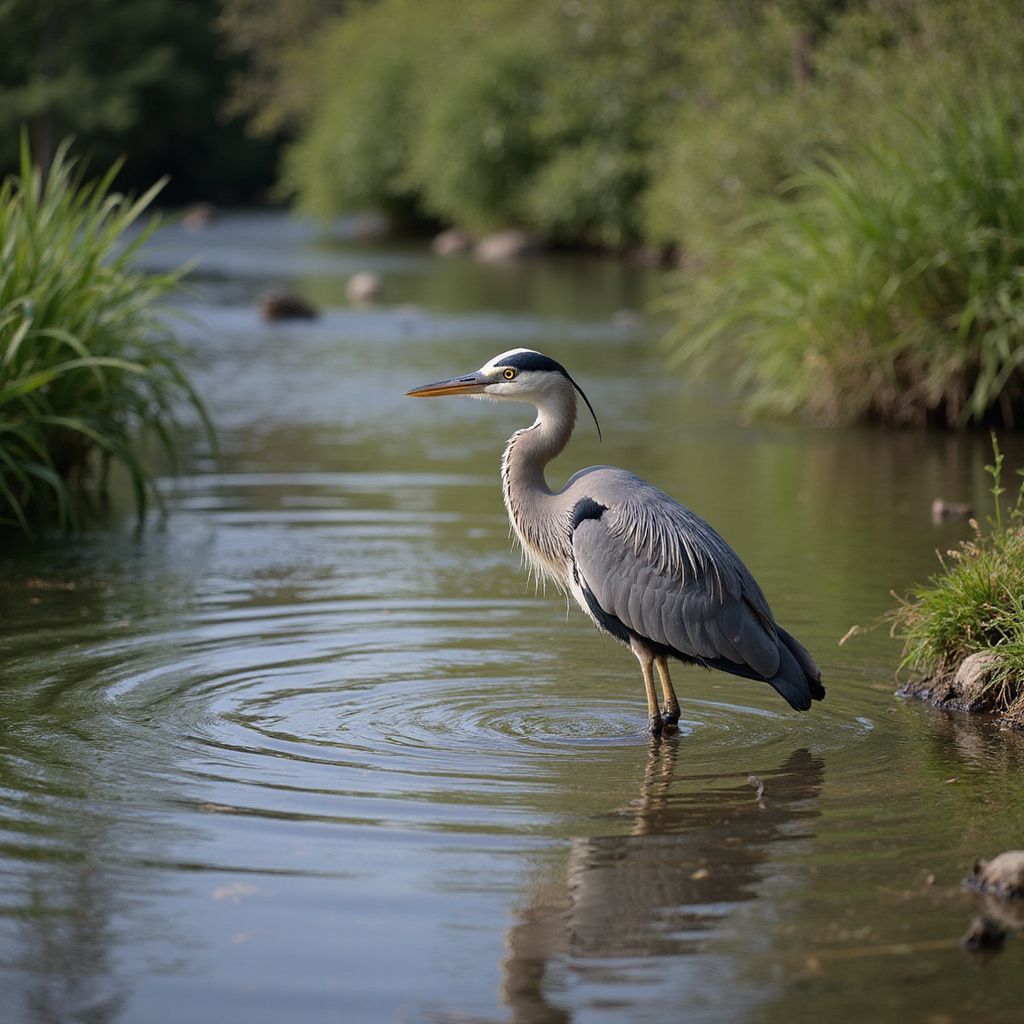
- Water birds like kingfishers and herons
- Amphibians and aquatic plants
This makes the Old Malden stretch a valuable urban wildlife corridor, connecting green spaces and supporting biodiversity.
A River Rediscovered
In recent years, the Hogsmill has become central to local environmental efforts. Community groups and conservation projects are working to:
- Improve water quality
- Restore natural riverbanks
- Encourage native planting
- Engage residents with nature
For initiatives like your Nature Hub, the Hogsmill provides a living classroom—linking history, ecology, and community action in one place.
Why It Matters Today
The Hogsmill River is more than just a waterway—it’s a thread connecting Old Malden’s past and future. From medieval farming and mills to modern conservation and wellbeing, it continues to shape the identity of the area.
By protecting and celebrating the river, we ensure it remains a place for:
- Learning
- Wildlife
- Reflection
- Community connection